
Ask for price
AI & Us: Culture, Literature and Society in the Digital Age
Description
Panel “AI & Us: culture, literature and society in the digital age"
Tuesday, 8 September 2026 at 19:00
- DOB//Amerikana
Series of panels “BORDERS AND POSSIBILITIES: ARTIFICIAL INTELLIGENCE IN EDUCATION, CULTURE AND SOCIETY”
Admission is free.
Speaker 1: Prof. Dr. Milena Škobo, In the beginning was the word, and today the machine: literature, culture and artificial intelligence
Once upon a time, before algorithms began to speak and machines to write, the book was one of the most important windows into other worlds. Children could fall silent before a story, and young people dive into a text. Today, reading exists in a very different media environment where long narratives compete for attention with screens, short forms and algorithmically recommended content. This talk starts from the point where the tradition of reading collides with a digital environment in which algorithms become our guides, editors, and often even “scribes.” It will address how artificial intelligence affects the process of creating literature, how it changes the way audiences read, choose and remember texts, and what opportunities and risks it opens for authors, professors, students and the culture of the written word as a whole. We will pay special attention to how AI tools can contribute to the preservation, interpretation and greater accessibility of cultural and literary heritage, what new forms of interaction with cultural content they can offer, how they can help document stories and collective memory, and the possibilities of their application in the work of cultural institutions. Finally, we will discuss how AI tools can be used without suppressing reading and independent thinking, and how to encourage young people to develop a personal relationship with literature and a critical attitude toward contemporary AI tools. The question, then, is not only what AI can do with literature and culture, but how we can use it so that the last word remains human.
Speaker 2: Prof. Dr. Maja Ćuk, Technology in educational activities — artificial intelligence, literature and digital performance
This lecture opens the question of what happens to literature when students are no longer only readers and interpreters but co-creators together with artificial intelligence. The presentation shows how AI enters the university classroom as a contemporary creative partner and changes the way students read, interpret and transform literary texts. Through examples of innovative projects in literature courses at the Faculty of Foreign Languages, audiovisual performances Modern Witch [Contemporary Witch] and The Language of Love will be presented, where students, using AI tools, revived students' original radio dramas and turned them into short films and hybrid art forms. The lecture reveals how AI fosters creativity, interdisciplinarity and a new relationship to literature and culture: students become screenwriters, directors, voice actors and digital animators, while the text becomes a starting point for experiment, play and cultural reinterpretation. This raises questions of authorship, originality and the pedagogical possibilities of project-based teaching in an era of machines that can "write", "act" and "create."
PANEL DISCUSSION: Literature, film and creativity in the age of AI – what remains human in a culture that is digitalizing?
The panel brings together writers, professors, art and culture theorists, and digital marketing experts to consider how AI shapes contemporary literature, art reception, creative practices and communication with audiences. The discussion covers topics concerning children's literature, film, youth media habits, creative writing in the age of AI, digital trends in art and culture, as well as the relationship between technological innovation and the preservation of cultural heritage. Special attention will be paid to motivation — what can encourage children and young people to read and develop a deeper relationship to text, and whether AI is an obstacle or can become an ally in that process. The potentials of AI tools for stimulating interest in literature, culture and the arts will be examined, as well as the risks when technology begins to replace reading, interpretation, creation and independent thinking. Panelists will speak from different perspectives about how to find a balance between new creative and educational opportunities offered by AI and preserving what remains essentially human in reading, creating and experiencing culture.
- Panelists:
- Jasminka Petrović, author of literature for children and young adults
- Dr. Jelena Guga, research associate and coordinator of the Laboratory for Digital Society at the Institute for Philosophy and Social Theory, University of Belgrade
- Prof. Dr. Svetlana Tomić, literary theorist, historian and critic, poet and full professor at the Faculty of Foreign Languages, Alfa BK University in Belgrade
- Marko Kovačevič, graduate in English Philology, marketing director and content writer
- Moderator: Prof. Dr. Maja Ćuk, full professor at the Faculty of Foreign Languages, Alfa BK University in Belgrade
About the series “Borders and Possibilities: Artificial Intelligence in Education, Culture and Society”
Dom omladine of Belgrade, during 2026, within its panel program presents a new scientific-professional platform for examining the impact of artificial intelligence on contemporary education, cultural practices and social processes. Through thematic meetings — in the form of expert presentations, panel discussions and workshops — as well as a concluding international scientific conference, this series opens space for a serious but accessible dialogue about how artificial intelligence changes ways of learning and knowledge transfer, artistic creation, everyday communication and the functioning of society. Special attention is devoted to the application of artificial intelligence in language and literature teaching, translation skills, issues of digital security and the mental health of young people, as well as broader topics of ethics, law, the labor market, contemporary reading habits and the preservation of cultural heritage in the digital era. The program features experts from education, the social sciences, the humanities and natural sciences, law, media, culture and technology.
Given that young people grow up in a world where AI tools are an integral part of everyday life, this Dom omladine program provides a framework for their understanding, critical reflection and creative use, reaffirming the importance of this institution in the education and culture of young people.
- Education
- Сourse
- Master class
- For teens
- For kids
- Lectures
- For adults


More from this organizer
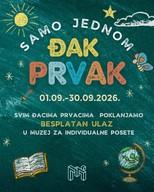
Besplatan ulaz za đake prvake u Muzeju Iluzija
21.09.2026

Jesenji sajam cveća i biljaka
21.09.2026

Выставка цветов Белградская осень
21.09.2026
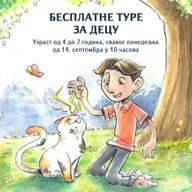
Ekskurzija za decu od 4 do 7 godina — Muzej Nikole Tesle
21.09.2026

Besplatan ulaz za prvake u Muzeju Paranormalnog
21.09.2026
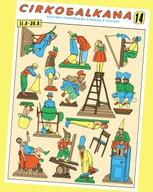
Фестиваль CirkoBalkana
21.09.2026
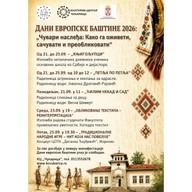
Дни европейского наследия — Культурный центр Чукарица
21.09.2026
Tačno je
21.09.2026