On May 4, at Hangar Luka Beograd, Kadebostany presented The Outsider Tour to the Belgrade audience - a new concert format connected to the album of the same name and to another chapter in the story of the fictional Republic of Kadebostany.
On stage, the project once again worked not only as a musical group, but as a complete artistic system. At its centre was Guillaume de Kadebostany, also known as President Kadebostan - the author, producer, and chief architect of this universe. His presence tied the concert into a single narrative: from the opening remarks to the final gestures, where the boundary between the stage and the audience gradually disappeared.
The show was built in three acts - What We Do in the Shadows, The Hunt, and The Feast. This structure worked well for the dynamics of the evening: the beginning was more restrained, intimate, and almost ritual-like, with an emphasis on atmosphere and vocals; then, step by step, the concert became denser, louder, and more dance-driven. By the finale, it was no longer just a live performance, but a full stage act with its own dramaturgy.
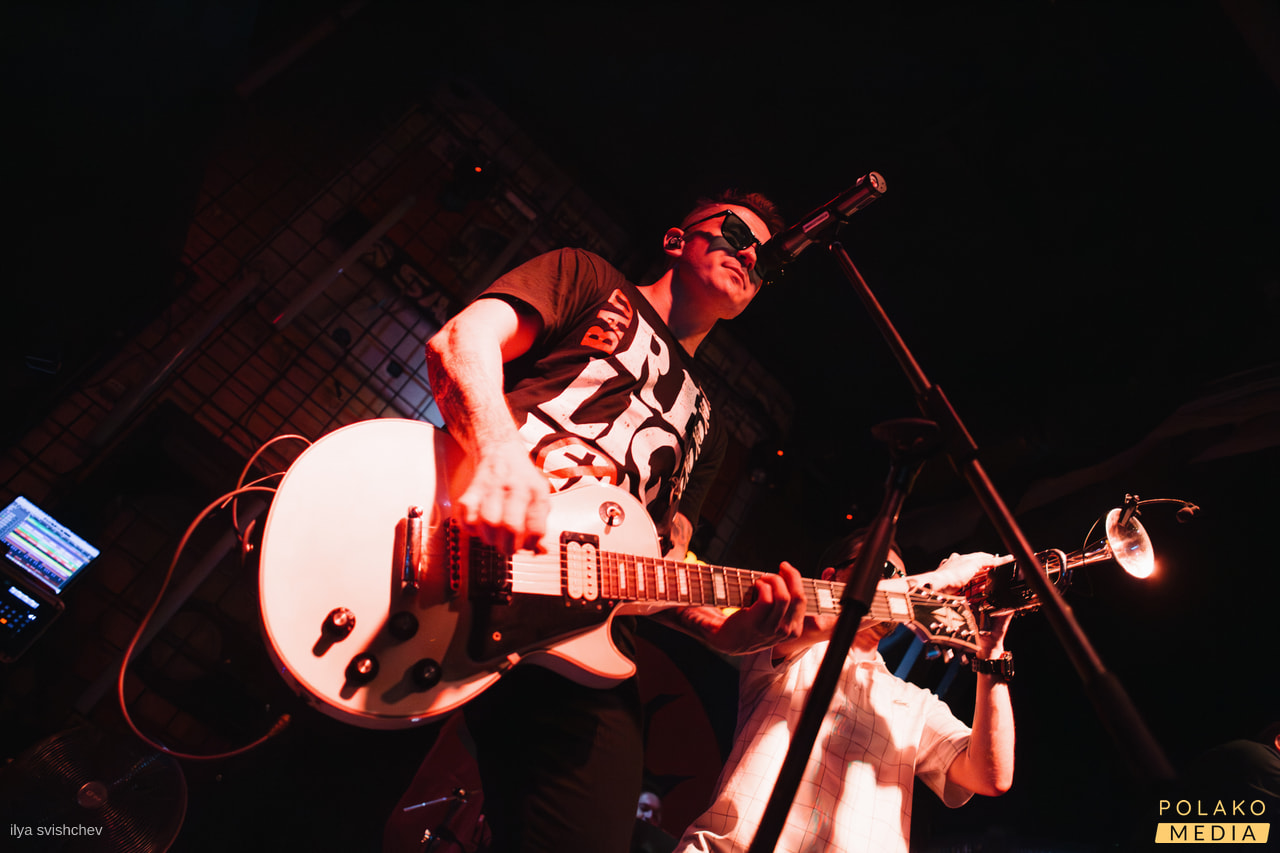
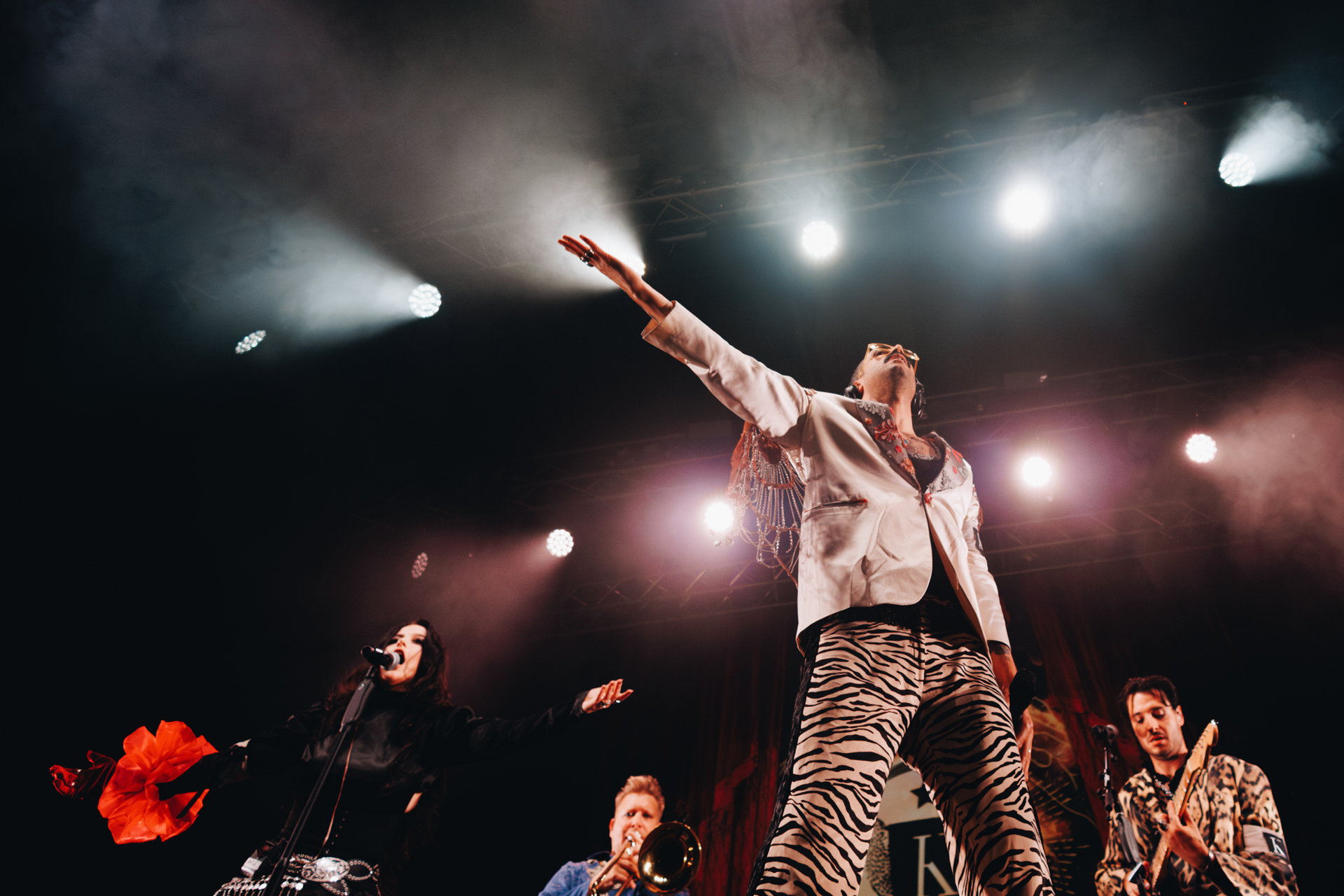
The live element was especially convincing in this programme. Vambra’s vocals formed the emotional centre of the concert, while Jérémy Bénichou’s parts - on guitar and in vocal fragments - added density and stage dynamics to the sound. Ross Butcher’s trombone line strengthened Kadebostany’s characteristic balance between electronics, pop dramaturgy, and an almost orchestral scale. As a result, the live component did not simply complement the electronic foundation, but shaped it into the project’s rich, cinematic, and recognisable sound.
The venue was not completely full, but that made the concert feel more open and attentive. The audience was mixed: Serbs, Russian-speaking guests, and foreigners. During the first part, the crowd mostly observed and listened closely, but as the show developed, they became increasingly involved in what was happening. On the well-known tracks - Castle in the Snow, Mind If I Stay, and Early Morning Dreams - the audience responded much more vividly: moving, singing along, filming, and absorbing that very energy for which concerts like this still make sense, as strange as that may sound in the age of vertical videos.
The visual part did not compete with the music, but continued it. The extravagant costumes, lighting, stage movement, and overall theatricality were not decorations placed on top of the concert, but part of Kadebostany’s language. This was not a case of an artist simply coming out to play a set. Here, image, mythology, symbols, and the feeling of a separate world matter - a world the project has been building around itself for years.
The final part of the concert carefully completed the main idea of the evening - the transformation of the performance into a space of Kadebostany’s own mythology. Guillaume de Kadebostany gave a vinyl copy of the new album to a woman in the audience, then handed several souvenir banknotes of the Republic of Kadebostany into the crowd, after which the artists came down from the stage to the audience. This gesture did not feel like an impressive final trick, but like a natural continuation of the show’s entire dramaturgy: the distance between the stage and the venue disappeared, and for a short moment the audience became part of that very Republic of Kadebostany.
Kadebostany’s Belgrade concert was not a giant festival-scale spectacle, but it had a rare sense of coherence: strong vocals, a well-thought-out structure, live instruments, theatrical visuals, and sincere interaction with the audience. The Outsider Tour at Hangar Luka Beograd left the feeling of a complete, emotional, and professionally built evening - not just a concert, but a short journey into the Republic of Kadebostany.
The full photo report from the Kadebostany concert is published on Geometria.
Geometria Belgrade