For most of us, AI-generated images of clothing show up in two situations - and they are more closely connected than they seem.
The first is the product listing. The second is "inspiring pictures from the internet" - in other words, the conscious or (more often) unconscious shaping of our eye for style. "Beautiful" pictures of unusually dressed people, glimpsed in passing on a phone screen, also shape our idea of style. But with the rise of AI slop - so-called degenerative, low-quality content (the classic example being Shrimp Jesus) - not always in the way it should.
Why?
With product listings, I believe, no explanation is needed: the picture shows the garment of your dreams, while the parcel contains something only vaguely reminiscent of it.
The rest deserves a closer look.
These images ignore the laws of physics, anatomy and garment construction. We stop understanding how clothes are actually made, and choosing what to buy becomes even harder: in a real shop we see completely different clothes, yet it feels like SOMEWHERE that exact piece exists.
It doesn't. Because if you look closely, the seams melt into folds, the overloaded design melts into skin, and the skin melts into the background. No physics, no texture; the details are incompatible, the garments are non-functional.
Every fabric - from silk to wool - is equally glossy and blurred over. Fabric doesn't respond to gravity: garments float in mid-air or, on the contrary, break at strange angles. And so on - I could keep going till morning.
That said, AI in fashion is absolutely useful and important. Just not this particular application of it.
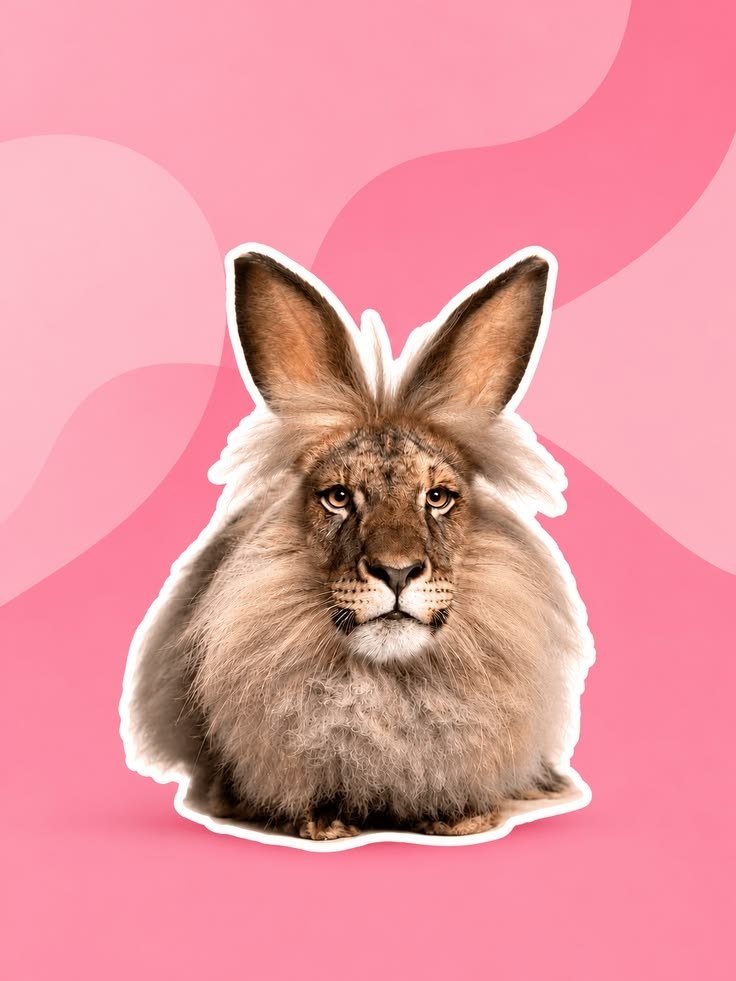
P.S. To my taste, the only worthy piece of AI slop is the Cheremsha lore. Because I have a Maine Coon 🤣