
Ask for price
Description
The Magic Flute – Children's Opera
In the years that followed, the production—which premiered on September 30, 1791 at the Freihaus-Theater auf der Wieden, in the suburbs of Vienna—was performed more than 200 times and soon went on to conquer opera stages around the world.
Premiere and historical context
A year before the premiere, Wolfgang Amadeus Mozart (1756–1791) found himself in financial trouble when his patron, Emperor Joseph II, died in 1790. Mozart’s friend—celebrated actor, singer, dramaturg and composer Emanuel Schikaneder (1748–1812)—was in the same predicament and came up with the idea to write a libretto for an opera that would pull them both out of debt. It couldn’t be just any opera, but a real spectacle, and Schikaneder, known for his lavish productions, chose a genre popular on Vienna’s popular stage: the magic opera. Professor Peter Branscombe explains that although, in theory, all operas with magical themes (fairies, witches, magic, etc.) are considered magic operas, in practice this refers exclusively to Singspiel (comic opera with spoken dialogue)—specifically the magic Singspiel, whose integral component is stagecraft based on Baroque theater machinery. So, even though Mozart and Schikaneder lived and worked in the Classical era, popular theater still drew on elements of the earlier Baroque style—namely, Baroque opera scenography. Baroque stage machinery enabled rapid scene changes thanks to movable flats that conjured up the settings. They say The Magic Flute had as many as fourteen such changes! Special effects also included a flying machine that brought the three boys—or the Queen of the Night—down onto the stage as if from the heavens. The machine was decorated with flowers and, in theaters, often doubled as flying carriages, dragons, or clouds. Thunderclaps and other sound effects were an essential part of such shows.
Given all this, it was only natural for Schikaneder to set The Magic Flute in a fantastical fairy-tale world, where motifs intertwine with mythological themes and Masonic symbolism (the secret society to which both Schikaneder and Mozart belonged). As in every fairy tale, good and evil clash until, in the end, goodness, love, and virtue triumph.
Enter Mozart with his sublime music. A prodigy who began composing at four and wrote his first opera at twelve, he left around 600 works (symphonies, vocal–instrumental pieces, concertos, 22 operas, etc.), yet he would say, “opera comes first for me.” In The Magic Flute, to heighten its richness, he blends different operatic/musical styles. For instance, he wrote Tamino’s role in the style of Italian opera (at the premiere he was sung by Benedikt Schack, who was also an excellent flautist); Pamina’s role follows the German tradition; to Papageno—the most memorable character of the piece—he gave music close to the folk idiom and arias that would become hugely popular. For his sister-in-law Josepha Hofer, famed for her brilliant coloratura, Mozart created what is often cited as one of the most difficult yet most effective roles in the operatic repertoire: the Queen of the Night.
Premiere and performance
Mozart himself conducted the premiere, with Schikaneder as Papageno. Sadly, Mozart did not live to see the full measure of the success his final opera would achieve: he died two months after the premiere. It was the first opera he composed for a public theater (all his previous operas had been court commissions) and the only work from the magic-opera genre to remain widely known to this day.
- For company
- For teens
- For kids
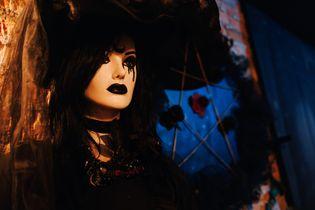
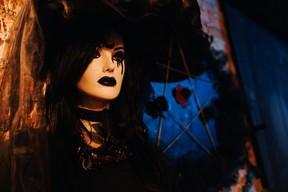
Photoshoot at the Museum of the Paranormal
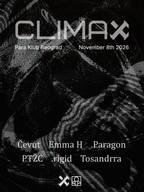



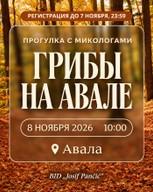



Similar events
RSD 500.00
The Magic Flute
Sunday, November 8th
12:00
Ask for price
Aladdin's Magic Lamp
Sunday, November 8th
12:00

Ask for price
Puss in Boots
Sunday, November 8th
12:00
Ask for price
Dreams Behind the Masks
Wednesday, November 11th
19:30

Ask for price
Pokahontas (children's play)
Sunday, November 8th
17:00

RSD 2900.00
Music with Stories: A Live Concert with Tales of Composers' Lives
Friday, December 4th
19:00